Portfolio
Inspired by my interdisciplinary coursework, I am drawn to research leveraging AI for positive change in the world. I aim to better understand technologies and how we interact with them to create AI systems that can support people through healthcare, policy, and overall in meaningful, human-centered ways.
Below is a collection of works that summarize my academic interests.
Project Archive
Selected coursework, research, and policy projects.
10 projects
Tool-Integrated RLOO and Pass@K: Testing the Invisible Leash
2025CS224R final project investigating whether reinforcement learning with verifiable rewards (RLVR) can expand a small language model's reasoning frontier beyond its pretrained action space. Tests tool-integrated RLOO against the "invisible leash" hypothesis using Pass@K evaluations.
- Reinforcement Learning
- Language Models
- RLVR
- Reasoning
- Tool Use

Olfactory Biomarkers as Early Indicators of Neurodegenerative Disease: A Survey of AI-Driven Sensing and Diagnostic Technologies
2025Survey paper examining sensor-based and AI-enabled approaches to olfactory assessment, including electronic-nose chemical sensing, VOC analysis, wearable nasal airflow monitoring, and olfactory-evoked EEG responses, framing olfaction as both a diagnostic biomarker and an intervention target for early detection of neurodegenerative decline.
- Medical AI
- Neurodegeneration
- Sensor Technology
- Early Detection
- Biomarkers
Exploring Deep Segmentation Models for Brain Tumors: CNNs, Transformers, and Promptable Architectures
2025Developed deep learning models for automated brain tumor segmentation using the BraTS 2021 dataset, comparing CNNs, transformers, and promptable architectures for pixel-level tumor detection.
- Medical AI
- Computer Vision
- Deep Learning
- Semantic Segmentation
- Healthcare Technology

Robust Brand Logo Detection Under Adversarial Conditions
2025Built a custom CNN with adversarial training to detect Coca-Cola logos under blur, noise, and occlusion. Achieved +13% accuracy over YOLOv8 with extensive data augmentation.
- Computer Vision
- Adversarial Robustness
- Object Detection
- Data Augmentation

Heap Allocator
2025Implemented a full implicit + explicit free list allocator in C, including malloc, free, and realloc. Built debugging utilities (validate_heap, dump_heap) and stress-tested on real allocation traces.
- Systems Programming
- Memory Management
- C
- Performance Optimization
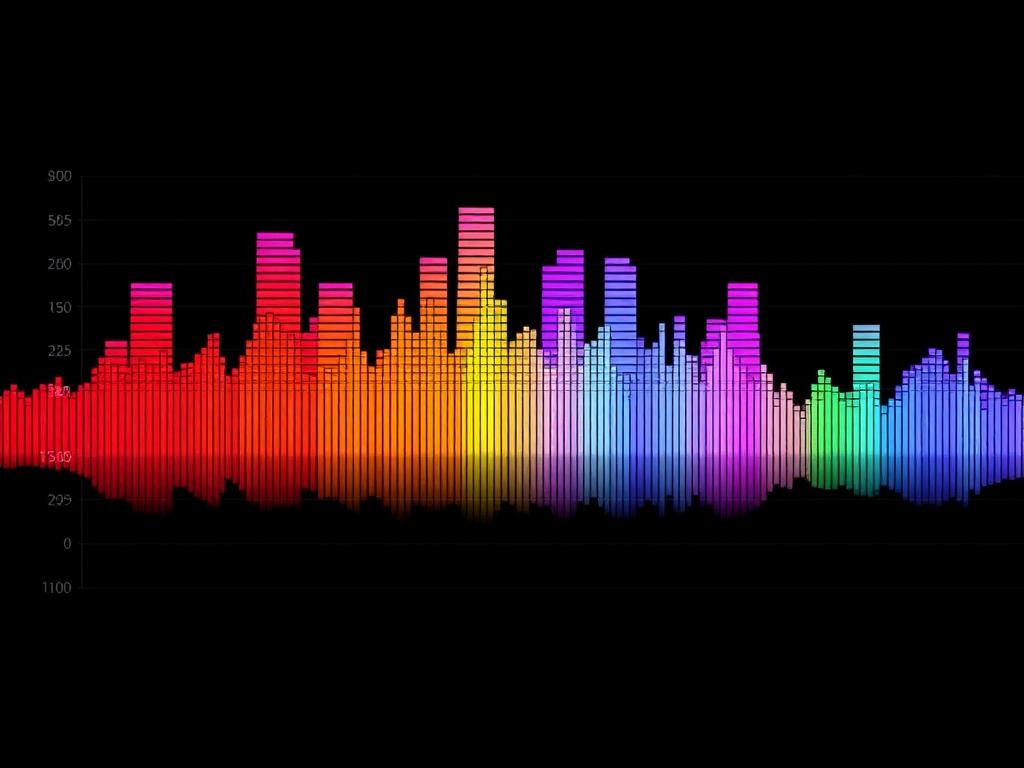
What's in the noise? Musical Genre Classification using Neural Networks
2024Trained VGG-style CNNs, GRUs, and LSTMs on mel spectrograms from GTZAN, incorporating noise, pitch-shift, and time-stretch augmentations for robustness.
- Audio Classification
- Deep Learning
- CNNs
- Music Information Retrieval
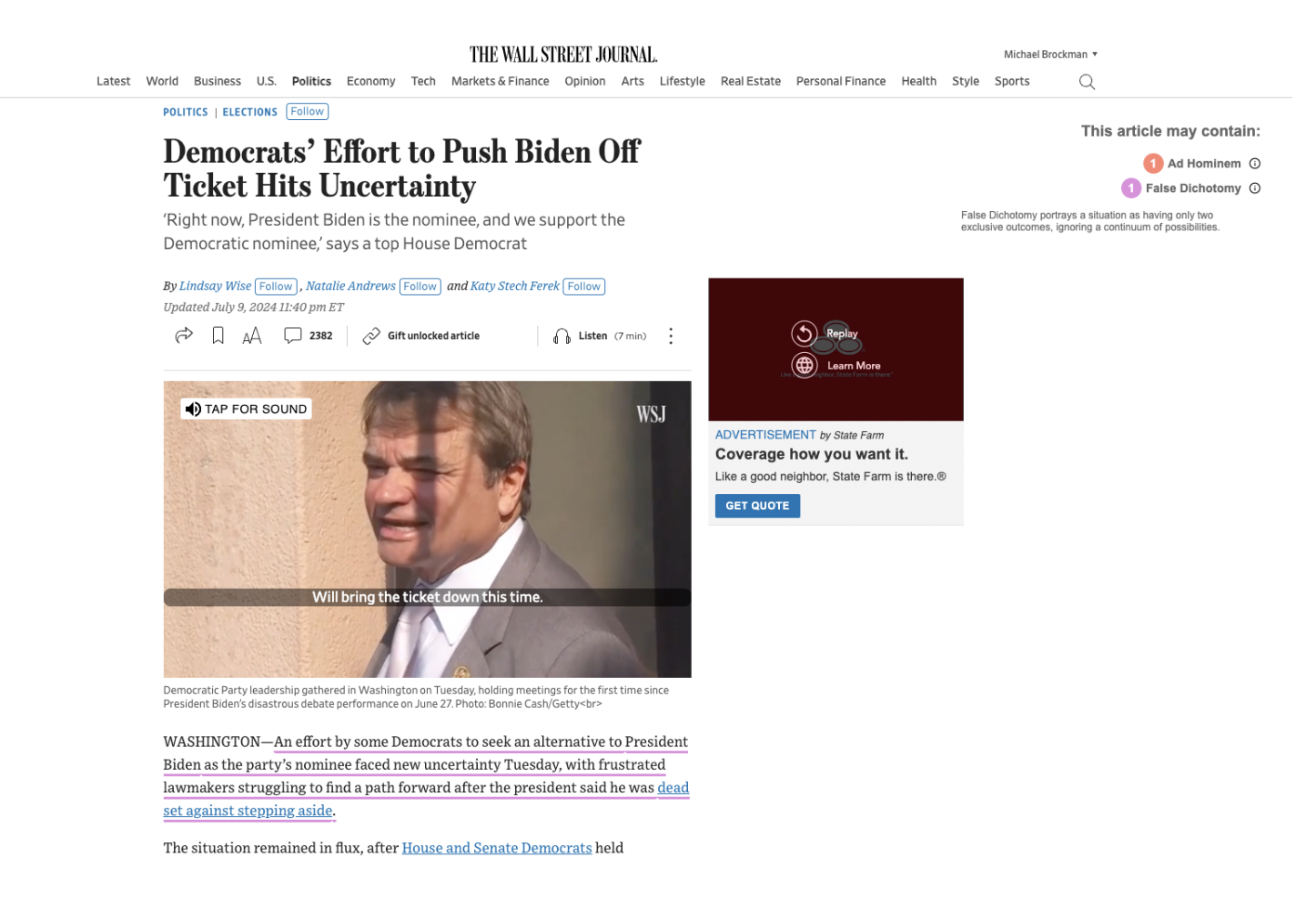
Protecting Against Propaganda: AI for Misinformation Detection & Critical Thinking
2024Built a GPT-4–powered browser extension that detects persuasive fallacies in political news, provides real-time annotations, and generates "extremeness" scores. Ran a pilot RCT to evaluate behavioral impacts.
- Human-AI Interaction
- Politics & Psychology
- Media Literacy
- Language Models
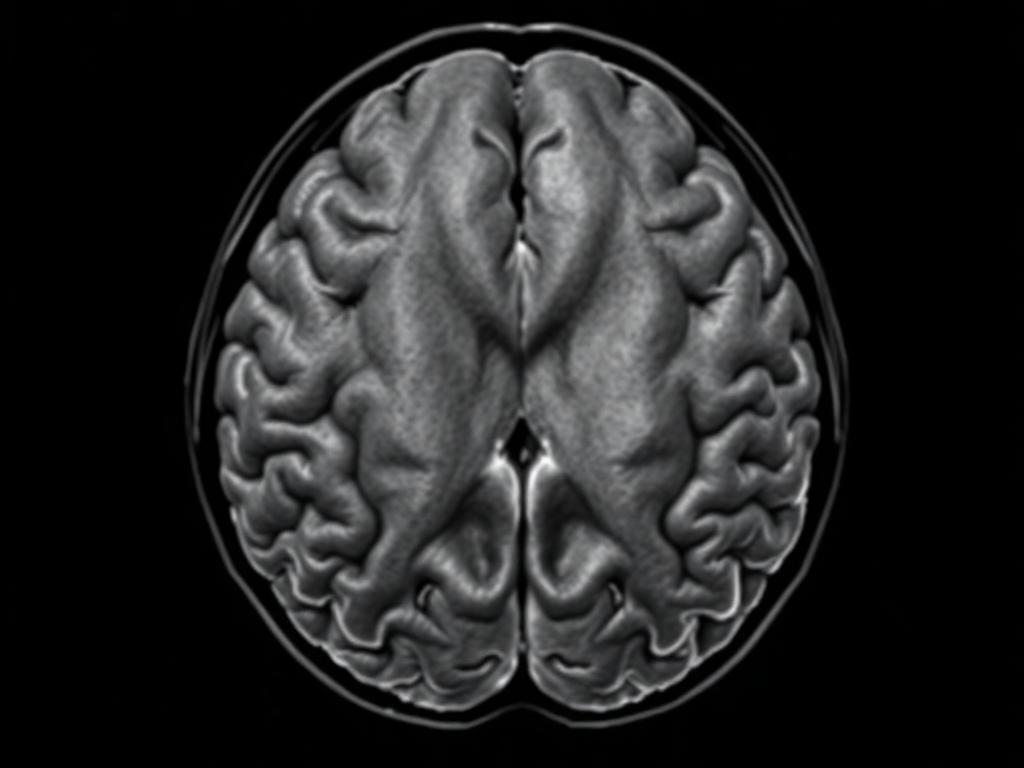
Seeing is Believing? A Sociotechnical Evaluation of Saliency Maps for Brain Tumor Segmentation
2025Benchmarking Grad-CAM, Integrated Gradients, and GradientSHAP across segmentation models, combining quantitative evaluation with clinician + researcher feedback to assess clinical usability.
- Explainable AI
- Medical Imaging
- Model Interpretability
- Human-AI Interaction
Longitudinal Assessment of ACGME Milestone Progression: Evaluating Gender and Racial Differences Across Graduate Medical Education Specialties
2024Co-authored research manuscript with Stanford School of Medicine and the University of Utah. Retrospective cohort study of 2,814 graduate medical trainees (2014–2020) analyzing gender and racial disparities in ACGME Milestone progression across 107 hospital-based, medical, and surgical programs using Wilcoxon rank-sum, Kruskal-Wallis, and linear mixed-effects models.
- Medical Education
- Health Equity
- Biostatistics
- Bias in Assessment
- Longitudinal Analysis

Examines how to govern frontier AI before catastrophic risks materialize, proposing risk-monitoring taxonomies, cross-lab oversight architectures, and pathways from voluntary commitments to binding regulation.
- AI Governance
- AI Safety
- Policy
- Institutional Design
- Existential Risk
Publications
- Xu, K. (2025). AI-driven personalized fall prevention for older adults. Proceedings of the AAAI Conference on Artificial Intelligence, 39(28), 29610. Link
Teaching
I'm passionate about education and believe that great teaching is one of the most powerful tools we have for opening doors. Whether through section, office hours, or course design, I love helping students build confidence in computer science and discover that they belong in this field.
- Fall 2025/Spring 2026: CS106A Programming Methodologies — Python, Programming Concepts
- Spring 2025: CS106A through Stanford Code in Place — Python, Programming Concepts
- Summer 2023: Mobile App Development through Kode with Klossy — Swift, App Development
Volunteering
- Stanford Women in Computer Science 2025 — Director of Outreach
- ASES Launchpad 2025 — Organizer
- Listen to the Silence 2024 — Workshops Co-Chair
- Black LaiR — CS106A/106B Course Helper
- Stanford Women in Computer Science 2024 — Outreach Intern